How to Prepare Your Home Electrical System for Winter Storms
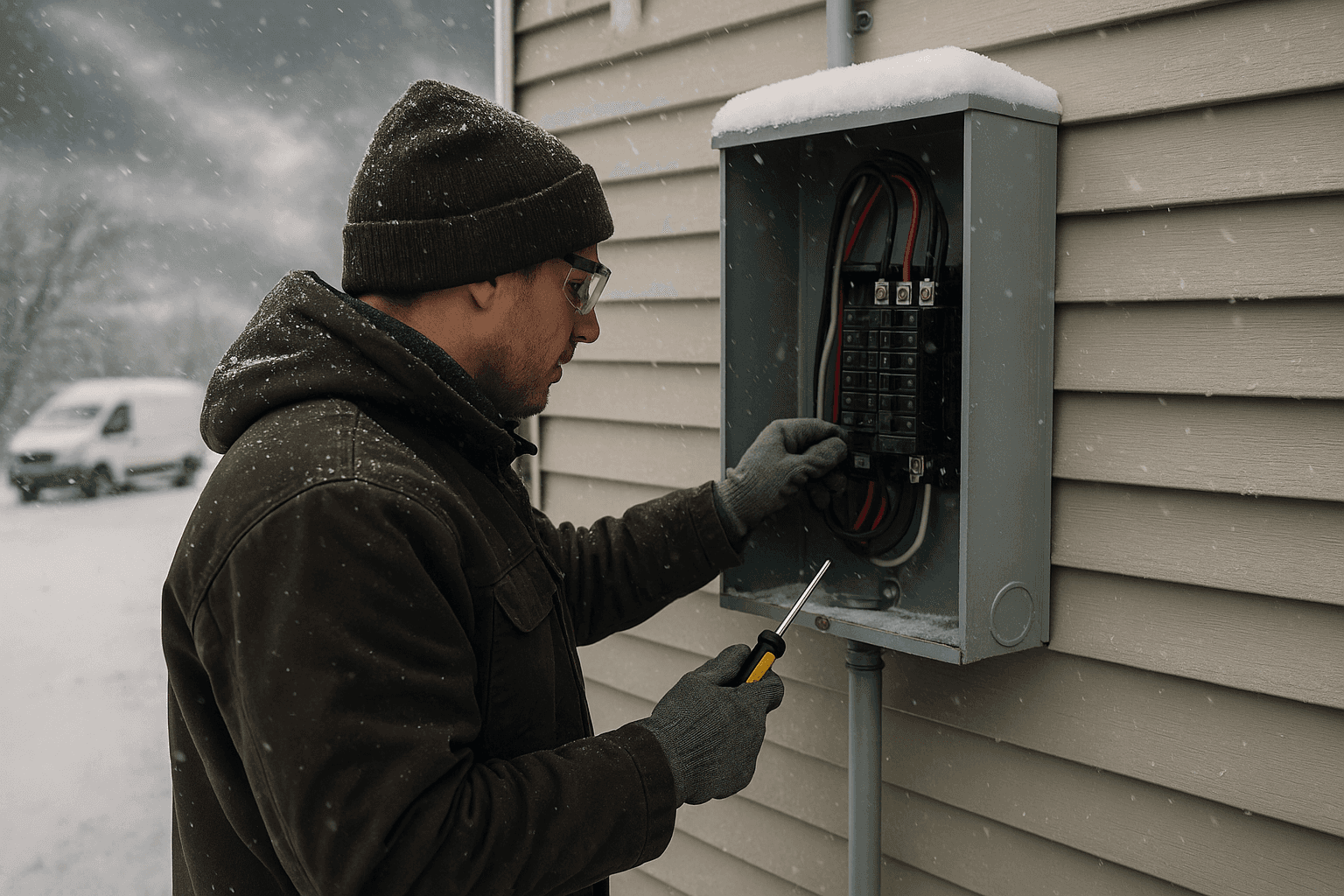
Winter storms can turn a cozy night into a scramble for flashlights and blankets. When the wind howls and the snow piles up, your home’s electrical system becomes the silent hero—or the first thing to fail.
At Alentar Electric, we know how quickly a winter storm can turn minor electrical issues into full-blown emergencies. That’s why we’re sharing practical, actionable steps to keep your home or business safe, warm, and powered up when the weather outside gets rough.
Understanding Winter Electrical Risks ⚡
Imagine your electrical system as the heart of your home. When winter storms hit, that heart faces extra strain. Here’s what can go wrong:
- Power Outages: Heavy snow and ice can weigh down power lines, causing blackouts that leave you in the dark.
- Electrical Surges: When power returns after an outage, sudden surges can fry sensitive electronics and appliances.
- Hidden Hazards: Moisture sneaks into outdoor outlets, panels, or wiring, creating short circuits or shock risks.
- Fire Dangers: Overloaded circuits and space heaters can spark fires, especially when everyone’s trying to stay warm.
According to the National Fire Protection Association (NFPA), electrical failures are a leading cause of house fires in winter. The U.S. Department of Energy also warns that winter storms often lead to spikes in electrical emergencies.
Key Preparations Before Storm Season
Getting ready for winter storms isn’t just about shoveling snow or stocking up on cocoa. It’s about making sure your electrical system is up to the challenge.
Inspect Your Wiring and Circuits
Old, frayed, or overloaded wiring is like a fraying rope—one good tug (or ice storm) and it snaps. Schedule a professional inspection to:
- Check for worn insulation or exposed wires.
- Test outlets and switches for proper function.
- Confirm that all circuit breakers are working and labeled.
Install Surge Protection
A surge protector acts like a goalie, blocking sudden power spikes from reaching your electronics. Consider:
- Whole-home surge protectors installed at your main panel.
- Individual surge-protected power strips for computers, TVs, and appliances.
Generator Readiness
Backup generators are like having a spare tire for your house. But just like a tire, they need regular checks:
- Test your generator monthly.
- Keep extra fuel stored safely (never indoors).
- Make sure the transfer switch is installed and working.
Smoke and Carbon Monoxide Detector Checks
Winter means closed windows and more time indoors. Double-check:
- Smoke detectors are on every floor and outside bedrooms.
- Carbon monoxide detectors are near sleeping areas and fuel-burning appliances.
- Batteries are fresh and alarms are tested monthly.
GFCI Outlets and Outdoor Protection
Ground Fault Circuit Interrupter (GFCI) outlets help prevent shocks, especially in damp areas. Make sure:
- All outdoor, bathroom, kitchen, and garage outlets are GFCI-protected.
- Outdoor outlets have weatherproof covers.
Emergency Electrical Safety During Storms
Storm hits. Lights flicker. Now what? Here’s how to stay safe until help arrives.
Safe Practices
- Unplug Sensitive Electronics: Prevent damage from surges.
- Stay Away from Downed Wires: Treat every wire as live—call emergency services immediately.
- Avoid Standing Water: Water and electricity don’t mix. If your basement floods, never enter until power is off.
- Don’t Overload Circuits: Plug in only essential devices to avoid tripping breakers.
When to Call an Emergency Electrician
Some problems can’t wait. Call Alentar Electric’s 24-hour emergency service if:
- You smell burning or see sparks from outlets.
- Lights flicker persistently or circuits trip repeatedly.
- Your generator fails or won’t start.
- You lose power and can’t reset your main breaker safely.
Temporary Power Solutions
If you’re using a portable generator:
- Always run it outdoors, away from doors and windows.
- Use heavy-duty extension cords rated for outdoor use.
- Never backfeed power through a wall outlet—it’s illegal and dangerous.
Post-Storm Electrical Checks
The storm has passed. It’s tempting to get back to normal, but don’t ignore possible hidden damage.
Inspect for Damage
- Look for broken outlets, switches, or water signs near electrical panels.
- Check outdoor wiring, lights, and pool/spa equipment for visible wear or moisture.
- Reset tripped breakers only once. If they trip again, call for help.
Schedule a Professional Electrical Safety Inspection
Even if everything seems fine, unseen issues can lurk behind the walls. A licensed electrician from Alentar Electric can:
- Test your system for hidden faults.
- Check for code compliance (referencing NEC—National Electrical Code).
- Recommend repairs or upgrades to prevent future emergencies.
Quick Safety Checklist
- [ ] Test smoke and carbon monoxide detectors.
- [ ] Inspect and label circuit breakers.
- [ ] Check for frayed wires or loose outlets.
- [ ] Install or test surge protectors.
- [ ] Service your generator and keep fuel ready.
- [ ] Confirm GFCI outlets work in wet areas.
- [ ] Keep emergency electrician contact info handy.
DIY vs. Call a Pro
It’s tempting to tackle small fixes yourself. Swapping a lightbulb? Go for it. Resetting a breaker? Sure. But if you’re dealing with exposed wires, persistent outages, or anything involving your main panel, it’s time to call in the professionals.
DIY is like patching a leaky roof with tape—it might hold for a while, but a storm will find the weakness. Electrical work requires training, tools, and up-to-date knowledge of safety codes.
What Pros Do On Arrival
When Alentar Electric arrives, here’s what you can expect:
- A thorough safety assessment of your home or business.
- Testing of circuits, outlets, and major appliances.
- Inspection for water intrusion or fire hazards.
- Recommendations for repairs, upgrades, or further maintenance.
- Clear communication every step of the way.
Our team follows the latest safety standards and guidelines, including those from the National Electrical Code (NEC) and Occupational Safety and Health Administration (OSHA).
Prevention & Maintenance
An ounce of prevention beats a pound of repairs. Here’s how to keep your electrical system storm-ready all year:
- Schedule annual electrical safety inspections.
- Replace outdated panels, breakers, or wiring.
- Upgrade to modern surge protection and GFCI outlets.
- Keep outdoor electrical equipment clean and dry.
- Test backup systems and alarms monthly.
Costs & Time Factors
Electrical preparation and repairs can vary in cost and time. Factors include:
- Type of Service: Routine inspections are quick and affordable. Emergency repairs or generator installations may take longer and cost more.
- Home Size: Larger homes or businesses may need more extensive checks.
- Parts & Equipment: Upgrading panels, adding surge protection, or installing generators involves additional materials.
Remember, investing in prevention often saves money—and stress—when storms hit.
When It’s an Emergency
Not sure if it’s time to call for help? Here are clear signs:
- Burning smells or visible smoke from outlets or panels.
- Water leaking near electrical equipment.
- Repeated breaker trips that don’t resolve with resets.
- Complete loss of power with no obvious cause.
If you’re ever in doubt, it’s safer to call an emergency electrician than to risk injury or fire.
FAQ
How often should I have my electrical system inspected?
At least once a year, or after major storms. If your home is older or you notice issues, schedule sooner.
Can I use an extension cord for my generator?
Only use heavy-duty, outdoor-rated cords and never run them under carpets or through windows.
What should I do if my smoke detector keeps beeping?
Replace the battery first. If it continues, have it inspected—it could signal a wiring problem or end-of-life for the unit.
Are whole-home surge protectors worth it?
Yes. They protect all your appliances and electronics from damaging voltage spikes, especially after outages.
Special Considerations for Winter Electrical Safety
- Pools and Spas: Turn off and cover outdoor equipment before storms.
- EV Chargers: Unplug vehicles during outages or surges.
- Home Automation: Ensure backup power for security systems if possible.
- Commercial Properties: Review emergency lighting and backup generator plans with staff.
Winter storms don’t have to mean sitting in the dark or worrying about your family’s safety. With the right preparation and a trusted emergency electrician on speed dial, you can weather any storm.
Call Alentar Electric now — or reach us anytime at 855-513-8853 .