Essential Electrical Safety Tips for Every Homeowner
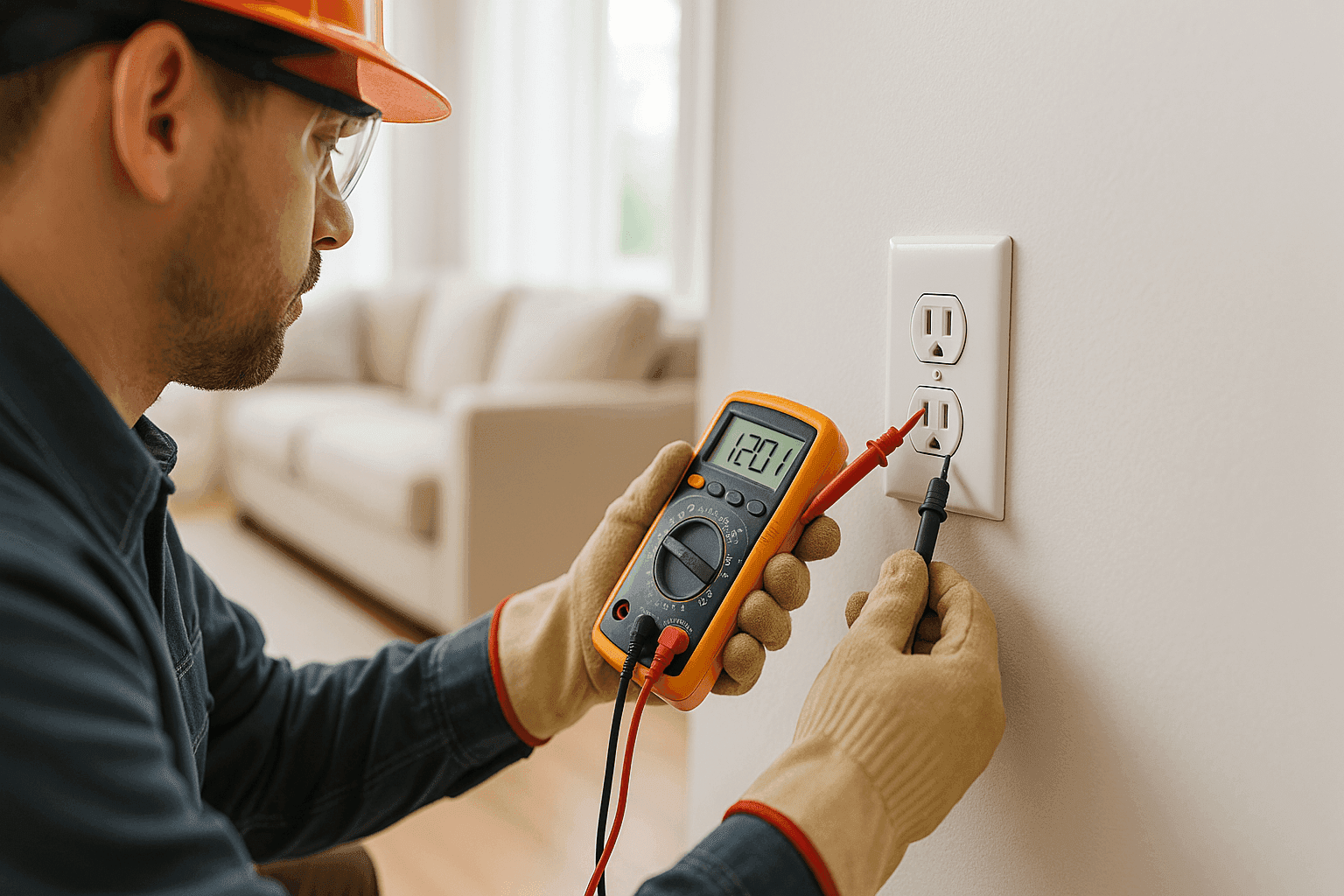
Every home tells a story, but not every story needs an emergency. At Alentar Electric, we know the peace of mind that comes with a safe, well-lit home—and the panic that follows when something goes wrong. A quiet hum behind the walls keeps everything running. One loose wire and that hum can turn into a dangerous spark.
Electrical safety isn't just for the toolkit crowd. It’s for families, kids, and even pets who turn a house into a home. The good news? You don’t have to be an electrician to keep your household safe—just a little aware, a little prepared, and willing to call in help when it matters most.
Everyday Electrical Safety Basics ⚡
Every day, you flip switches and plug in devices without a second thought. But electricity isn’t something to take lightly. Like water running through pipes, power flows through your home’s wiring, looking for the easiest way to complete its circuit. If there’s a break, a fray, or too much demand, things can go wrong—fast.
Here are the basics every homeowner should know:
- Check cords and plugs: Look for cracks, exposed wires, or loose connections. If you see damage, replace the cord or plug right away.
- Don’t overload outlets: Stick to one high-wattage appliance per outlet. Too many devices can overheat wiring.
- Keep water away: Never use electrical devices near sinks, tubs, or wet floors.
- Test GFCIs monthly: Ground Fault Circuit Interrupters (GFCIs) shut off power when there’s a leak. Press “test” and “reset” to make sure they work.
- Install AFCIs where needed: Arc Fault Circuit Interrupters (AFCIs) prevent fires from faulty wiring. These are now required by code in many areas.
The National Fire Protection Association (NFPA) notes that electrical failures are a leading cause of home fires. Take simple precautions—don’t let your home become a statistic.
Child and Pet Safety
Little hands and paws are naturally curious. Outlets, dangling cords, and blinking lights are tempting. Keep their world safe with a few easy steps:
- Use outlet covers: Block unused outlets with safety plugs or sliding covers.
- Tidy cords: Secure cords behind furniture or use cord organizers.
- Avoid table lamps in play areas: They tip over easily and can break.
- Keep devices out of reach: Chargers and gadgets should stay on high surfaces.
- Teach safety early: Explain—at their level—why plugs and sockets aren’t toys.
Pets chew on cords for fun or comfort. Bitter sprays can help, but hiding cords is best. For both kids and animals, prevention beats cure every time.
Safe Use of Outlets and Extension Cords 🔌
Picture outlets as the heart of your home’s electrical system. If they’re overworked, things can get messy—fast.
Best practices:
- Use extension cords sparingly: They’re for temporary use, not a permanent fix.
- Pick the right cord: Heavy-duty cords for heavy-duty appliances.
- Don’t daisy-chain: Never plug one power strip into another. It’s a shortcut to an overloaded circuit.
- Check for warmth: If an outlet or cord feels warm, unplug and investigate.
- Childproof covers: Keep unused outlets covered if little ones are around.
If you find yourself relying on extension cords day after day, consider having an emergency electrician add more outlets or upgrade your wiring.
Avoiding Overloaded Circuits
It’s easy to forget how much juice your home needs. Add one more appliance, and suddenly the breaker trips. Overloaded circuits are sneaky—one minute you’re fine, the next, the lights are out.
How to avoid overloads:
- Know your limits: Each circuit is rated for a certain load. Don’t exceed it. Check your panel labels for guidance.
- Unplug unused items: Idle devices sip power and add up.
- Distribute the load: Don’t put all your electronics on one outlet.
- Upgrade when needed: If you’re adding major appliances or an EV charger, call Alentar Electric for a panel upgrade.
According to the U.S. Consumer Product Safety Commission (CPSC), overloaded circuits are a leading cause of residential fires. Don’t let convenience overshadow safety.
Holiday and Seasonal Safety 🎄
The holidays bring joy—and a spike in electrical use. Lights twinkle, heaters work overtime, and kitchen gadgets hum non-stop. This is when risks rise.
Stay safe during peak times:
- Inspect decorations: Look for frayed wires or loose bulbs before plugging in.
- Outdoor lights: Use only weather-rated cords and fixtures.
- Limit strands: Connect no more than three strands of lights together.
- Keep trees watered: Dry trees + hot lights = fire risk.
- Don’t run cords under rugs: They can overheat unseen.
Storm season? Make sure backup generators near you are ready, and test smoke and carbon monoxide detectors monthly. Change batteries during daylight savings as a reminder.
When to Seek Professional Help
Some jobs need a steady hand and years of training. If you notice any of these signs, it’s time to call a licensed emergency electrician:
- Flickering or dimming lights
- Repeated tripped breakers
- Burning smells or unusual heat from outlets
- Buzzing sounds from panels or switches
- Shock when plugging in or touching appliances
Don’t wait for a small problem to spark a bigger one. Electrical codes exist for a reason—and DIY shortcuts can be dangerous.
Quick Safety Checklist
- Test all GFCI and AFCI outlets monthly
- Check cords and plugs for damage
- Install and check surge protectors
- Replace old or loose outlets and switches
- Keep appliances dry and away from sinks
- Store extension cords for temporary use only
- Schedule annual electrical safety inspections
- Install and maintain smoke & CO detectors
DIY vs. Call a Pro
Changing a light bulb? Go for it. Swapping out a ceiling fan or installing a new outlet? That’s a different story.
DIY-friendly:
- Replacing bulbs and batteries
- Resetting tripped breakers (once or twice)
- Plugging in surge protectors
Call a professional:
- New wiring or outlets
- Panel or breaker upgrades
- Pool and spa electrical work
- Fault finding for flickering lights
- Installing backup generators or EV chargers
The Electrical Safety Foundation International (ESFI) reminds homeowners: when in doubt, leave it out. Call a pro.
What Pros Do On Arrival
When Alentar Electric arrives, we don’t just “fix stuff.” Here’s what you can expect:
- Listen first: We ask about the problem, walk through the symptoms, and look for hidden risks.
- Inspect safely: Using insulated tools and testers, we check wiring, outlets, and panels.
- Code check: Repairs meet National Electrical Code (NEC) standards—no shortcuts.
- Test and retest: We verify that repairs solve the problem and prevent future hazards.
- Advise clearly: You get plain-language explanations and options, not just technical jargon.
We’re there to solve problems—not create new ones.
Prevention & Maintenance
A stitch in time saves nine, especially with electricity. Regular maintenance keeps your home running smoothly and safely.
Best practices:
- Schedule annual electrical safety inspections
- Test smoke and CO detectors monthly; replace every 10 years
- Use surge protectors for sensitive devices
- Upgrade panels and wiring in older homes
- Clean and tighten panel connections periodically (by a pro)
- Consider home automation for added safety (timers, smart sensors)
Proactive steps are your home’s best insurance policy.
Costs & Time Factors
Every home and job is different. Some fixes take minutes; others a few hours. Here’s what influences the cost and speed:
- Scope of work: Simple repairs (like a new outlet) are quick. Full rewiring or panel upgrades take longer.
- Parts needed: Specialty items, like GFCIs or AFCIs, may cost more but add safety.
- Age of your home: Older wiring often means more time and care.
- Emergency vs. scheduled: Emergency calls are handled as fast as possible, but prevention is always cheaper than repair.
Remember, cutting corners with electrical work can cost more in the long run.
When It’s an Emergency
Sometimes, you can’t wait. An emergency electrician is there for you 24/7. If you notice:
- Sparks, smoke, or burning smells
- Power loss in key appliances (especially medical or heating/cooling)
- Flooding near outlets or electrical panels
- Buzzing or popping sounds from wiring
Get everyone to safety and call for help immediately. Don’t try to fix it yourself—electricity is invisible, but its dangers are very real.
FAQ
Do I need surge protection if I have backup generators near me?
Yes. Generators help during outages, but surge protectors shield your devices from voltage spikes caused by storms or power restoration.
How often should I schedule electrical safety inspections?
At least once a year, or after major renovations, storms, or if you notice any warning signs.
Are smart home devices safe?
Most are, but only if installed properly. Always follow manufacturer instructions and consult a pro for complex setups.
What’s the difference between GFCI and AFCI outlets?
GFCIs protect against shock in wet areas (bathrooms, kitchens). AFCIs prevent fires from arc faults, often required in bedrooms and living spaces.
Local/Seasonal Considerations 🌧️
Weather changes everything. In storm-prone areas, make sure generators and surge protection are up to date. In winter, electric heaters put extra strain on wiring. Summertime means more outdoor lighting and pool equipment—have these inspected before first use.
For any season, smoke and carbon monoxide detectors should be functioning and well-placed. Check them when you change your clocks; it’s a habit that can save lives.
Electrical safety isn’t just about wires and breakers—it’s about protecting the people and moments that matter most. For questions, inspections, or urgent repairs, Alentar Electric’s emergency electricians are ready to help.
Call Alentar Electric now — or reach us anytime at 855-513-8853 .