How to Choose the Best EV Charger for Your Home or Business
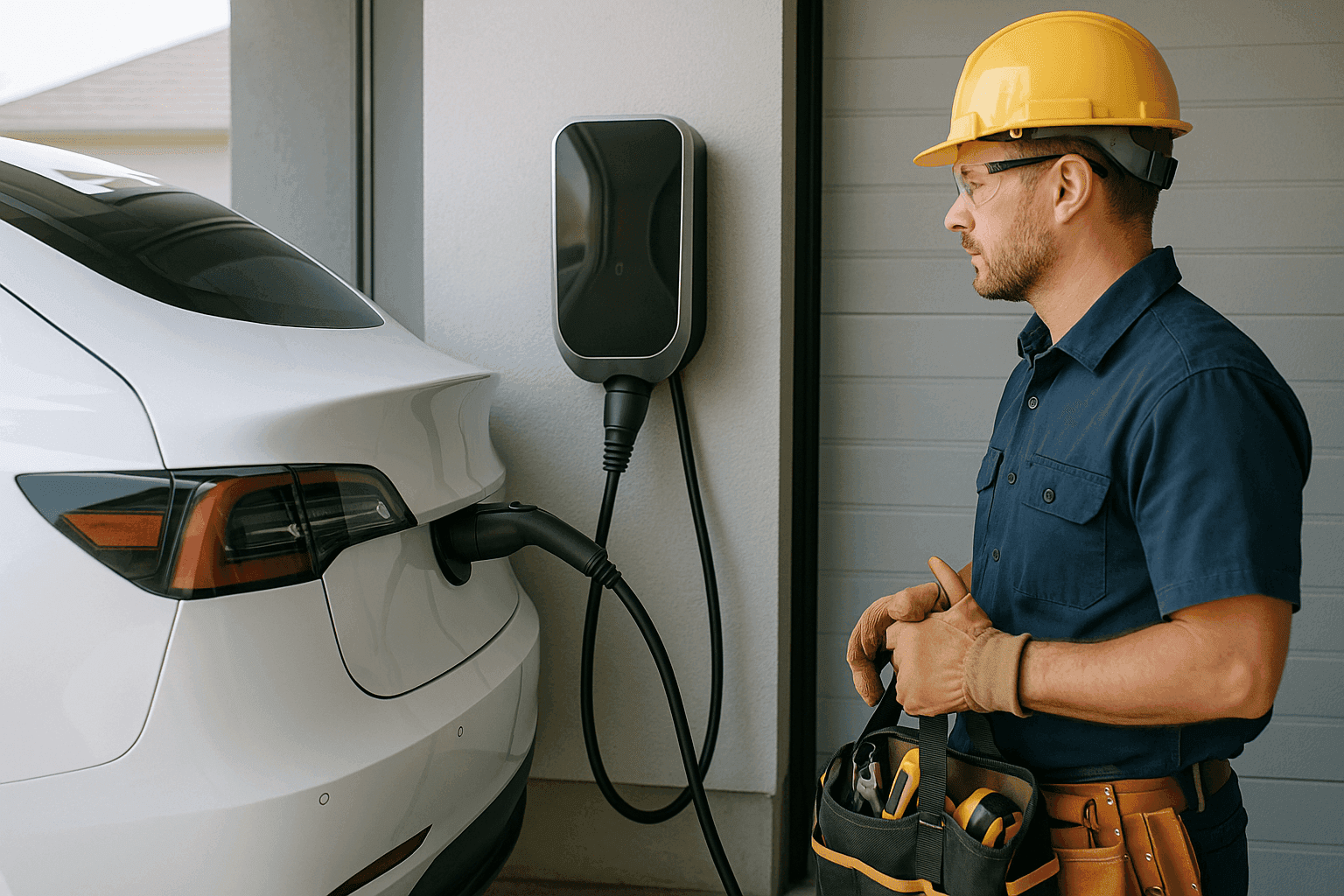
Thinking about installing an EV charger at your home or business? You’re not alone. Electric vehicles are everywhere these days, and reliable charging is more important than ever. But with so many options—and a few hidden pitfalls—it’s easy to feel overwhelmed.
At Alentar Electric, we’ve helped countless homeowners and small business owners make smart, safe choices for their charging needs. We know what works, what doesn’t, and how to avoid costly mistakes. Let’s break it down together.
Understanding Different EV Charger Types ⚡
Picking an EV charger isn’t like picking a phone charger. It’s more like choosing the right engine for your car. Here’s what you need to know:
Level 1 Chargers
- How it works: Plugs into a standard wall outlet (120V).
- Pros: No special wiring; cheapest to install.
- Cons: Slow—think overnight or longer for a full charge.
Best for: Occasional drivers or plug-in hybrids. Not ideal if you’re always on the go.
Level 2 Chargers
- How it works: Uses a 240V outlet, like your dryer.
- Pros: Much faster—adds 20–30 miles of range per hour.
- Cons: Needs professional installation; higher upfront cost.
Best for: Most homeowners and businesses. Balances speed and convenience.
DC Fast Chargers
- How it works: Direct current, high-voltage charging.
- Pros: Lightning-fast—up to 80% charge in 30 minutes.
- Cons: Expensive equipment, major electrical upgrades, not usually for homes.
Best for: Commercial sites, fleets, or businesses with high-traffic needs.
Pro tip: Check your vehicle’s compatibility before choosing a charger. Not all EVs can use DC fast charging.
Installation Considerations
Installing an EV charger isn’t just about plugging it in. It’s about making sure your electrical system can handle the load—safely and efficiently.
Electrical Capacity
- Panel space: Older homes or buildings may need a panel upgrade.
- Amperage: Level 2 chargers usually require a dedicated 40- to 60-amp circuit.
- Load calculation: Avoid tripping breakers or overloading circuits by calculating total household/business demand.
Location, Location, Location
- Indoor vs. outdoor: Weatherproof units are a must for outdoor setups.
- Distance from panel: The farther the charger, the higher the installation cost.
- Accessibility: Think about cord reach, parking habits, and future expansion.
Permits and Codes
- Permits: Most areas require electrical permits for EV charger installation.
- Code compliance: Installations must meet the National Electrical Code (NEC) and local amendments.
- Inspections: Expect a final safety inspection to ensure everything’s above board.
Seasonal tip: For winter, consider heated cable options or weatherproof enclosures to keep your charger reliable in snow and ice.
Cost Breakdown and Budgeting Tips
EV charger installation isn’t one-size-fits-all. Costs can vary depending on your needs and property.
- Level 1 charger: Lowest cost, minimal installation.
- Level 2 charger: Equipment, wiring, permits, and possible panel upgrades can add up.
- DC fast charger: Significant investment; mostly for commercial use.
Budgeting tips:
- Factor in future needs—will you add more EVs?
- Ask about utility rebates or tax credits for EV charger installation.
- Don’t forget ongoing maintenance and electricity costs.
Remember: Cutting corners on installation can lead to bigger problems down the road. Always budget for a professional job.
Safety and Compliance
Electricity isn’t something to gamble with. A poorly installed charger can be a fire risk, void warranties, or even put lives in danger.
Why Professional Installation Matters
- Proper wiring: Ensures correct amperage and grounding.
- Surge protection: Guards your EV and home/business from voltage spikes.
- Safety checks: Detects hidden issues before they become emergencies.
Alentar Electric’s team follows the latest safety standards, including NEC guidelines and manufacturer recommendations. We also offer electrical safety inspections and surge protection solutions for peace of mind.
Safety Checklist
- Ground fault protection installed
- Weatherproofing for outdoor chargers
- Dedicated circuit breaker
- All connections inspected and tested
- Clear labeling for emergency shutoff
Tip: Schedule regular safety checks—especially before winter or storm season. Cold weather can stress electrical systems, and moisture increases risk.
Maintenance and Troubleshooting Tips
An EV charger, like any appliance, needs a little TLC to stay in top shape.
Routine Maintenance
- Clean charging ports and cables regularly.
- Inspect for wear, corrosion, or loose connections.
- Test ground fault protection monthly (most units have a test button).
Troubleshooting Common Issues
- Charger not powering on: Check circuit breakers and GFCI outlets.
- Slow charging: Inspect for extension cords (not recommended) or damaged cables.
- Error lights: Consult your charger’s manual or call a qualified electrician.
If you notice burning smells, sparks, or repeated tripping breakers, call an emergency electrician right away. These are warning signs you shouldn’t ignore.
Seasonal advice: Before storm season, ensure surge protection is up to date and chargers are securely mounted. For winter, check for ice buildup and keep connections dry.
Evaluating Your Needs
Every property is different. Here’s how to choose the right setup:
- How many vehicles? One charger may be enough, or you may need a dual-port solution.
- How fast do you need to charge? Overnight is fine for most, but businesses may need faster turnaround.
- Is expansion likely? Plan wiring and panel capacity for future growth.
A quick consultation with a licensed electrician can help you map out the best plan for your lifestyle or business operations.
FAQ: Common Questions
Do I need a permit to install an EV charger?
Yes, in most areas you’ll need an electrical permit and a final inspection. This ensures the installation meets safety codes.
Can I install a Level 2 charger myself?
It’s not recommended. Level 2 chargers require high-voltage wiring and dedicated circuits. Improper installation can void warranties and pose serious risks.
How long does installation take?
Most residential jobs take a few hours to a day, depending on wiring and panel upgrades. Commercial projects may take longer.
What if my electrical panel is full?
A licensed electrician can assess options—sometimes adding a subpanel or upgrading your main panel is necessary.
Special Considerations for Businesses
If you run a small business, adding EV charging can attract customers and employees. But commercial installations come with extra layers:
- Multiple chargers: Consider load management systems to balance demand.
- Payment systems: Some chargers allow for billing or access control.
- ADA compliance: Install chargers in accessible locations with proper signage.
Ask about integrating chargers with your business’s existing electrical and data systems. Alentar Electric can help design, install, and maintain a setup that grows with your business.
When to Call an Emergency Electrician
Sometimes, things go wrong—a tripped breaker that won’t reset, burning smells, or an EV charger that suddenly stops working. Don’t wait. Electrical emergencies can escalate quickly.
If you suspect a problem, unplug your charger if safe to do so, and call an emergency electrician immediately. Fast action can prevent bigger issues and keep everyone safe.
Ready to power up your home or business with a safe, efficient EV charger? Call Alentar Electric now — or reach us anytime at 855-513-8853 .