Backup Generators for Homes: How to Choose the Right System
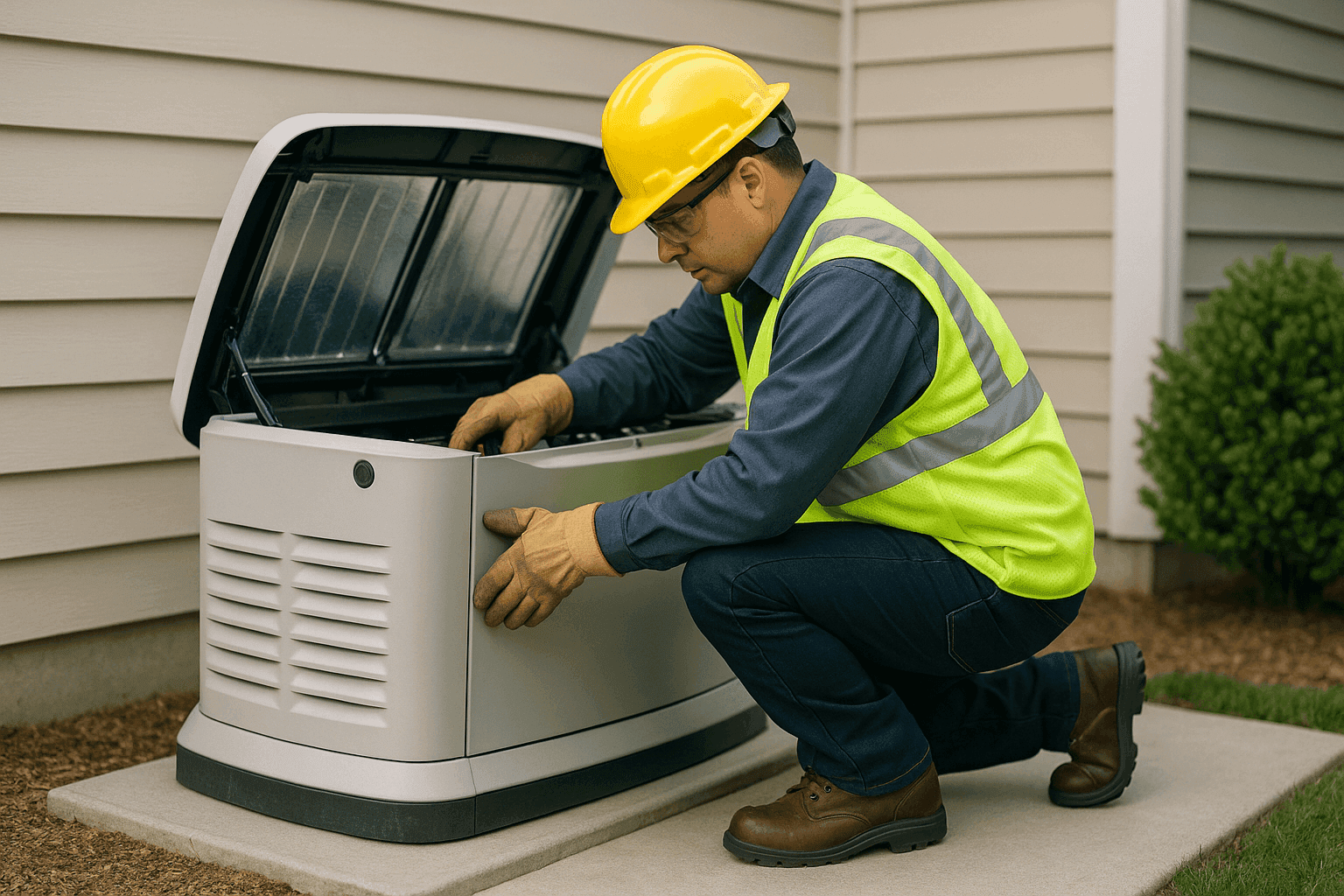
Power outages don’t wait for a convenient moment. Neither do the storms and accidents that cause them. When the lights flicker and go out, you’re left in the dark—literally and figuratively. If you’ve ever wondered how to keep your family safe and comfortable during a blackout, you’re not alone.
At Alentar Electric, we’ve seen firsthand how a well-chosen backup generator can turn chaos into calm. This guide will help you make sense of your options and show you why having an emergency electrician install “backup generators near you” is more than just a good idea—it’s peace of mind.
Why Consider a Backup Generator for Your Home? ⚡
Picture this: It’s the middle of a summer storm. The wind howls. Lightning dances across the sky. Suddenly, silence—your power is gone. Fridge, lights, AC, medical devices—all off. For many families, a backup generator isn’t a luxury. It’s a necessity.
Here’s why you might need one:
- Extreme Weather: Hurricanes, blizzards, and thunderstorms knock out power for hours—or days.
- Aging Infrastructure: Sometimes, the grid just can’t keep up.
- Essential Needs: Refrigeration, heat, sump pumps, and medical equipment are lifelines.
- Peace of Mind: Sleep easier knowing you’re ready for the unexpected.
A generator gives you more than just electricity. It gives you control when everything else feels uncertain.
Types of Home Generators: Portable vs Standby
Choosing a generator is a bit like picking your family’s next car. Do you want something small and flexible, or something powerful and always on standby?
Portable Generators
- Pros: Affordable, movable, quick to deploy.
- Cons: Limited power, manual setup, need to refuel and store safely.
- Best for: Running a few essentials—lights, fridge, maybe a sump pump.
Standby Generators
- Pros: Automatic start, can power the whole house, runs on natural gas or propane.
- Cons: Higher upfront cost, requires professional installation.
- Best for: Seamless comfort during long outages, powering major systems (HVAC, well pumps, medical devices).
Each type has its place. Think about your family’s needs, your home’s layout, and your budget.
Sizing Your Generator: How Much Power Do You Really Need?
This is where many homeowners get tripped up. Too small, and you’re back to square one. Too large, and you’re wasting money.
Here’s a simple starting point:
- List your essentials: Refrigerator, furnace, sump pump, lights, chargers, medical equipment.
- Check the wattage: Appliances have labels—read them. Add up the running watts for everything you can’t live without.
- Add a safety margin: Generators work best when not running at full tilt. Add 10–20% to your total.
Still not sure? An emergency electrician can help you run a load assessment, which takes guesswork out of the equation.
Fuel Types: What’s Best for Your Home?
Generators are hungry machines. What you feed them matters.
- Gasoline: Common and easy to find, but needs to be stored safely. Short shelf life.
- Propane: Cleaner, stores well, doesn’t degrade. Tanks can run out during long outages.
- Natural Gas: No need to refuel—runs off your home supply. Great for standby units, but not available everywhere.
- Diesel: Efficient and powerful, but noisier and less common for homes.
Think about fuel storage, local availability, and how long you want to run during an outage.
Professional Installation and Safety
Installing a backup generator isn’t a weekend DIY project. A misstep can mean serious safety hazards—fire, carbon monoxide, electrical shock. That’s why code compliance and professional installation matter.
What a Licensed Emergency Electrician Does
- Site Assessment: Checks local codes (like NEC and your municipality’s rules).
- Load Calculation: Makes sure your generator matches your needs.
- Safe Transfer Switch: Ensures your generator never “backfeeds” electricity into the grid—a major safety and legal issue.
- Proper Grounding: Prevents electrical hazards and meets code.
- Ventilation: Keeps exhaust out of your home. Carbon monoxide is deadly and invisible.
- Inspection: Many local authorities require a final safety check.
Cut corners, and you risk more than just a blown fuse.
Key Safety Features to Look For 🛡️
Your generator is a powerful ally—if it’s built with the right protections.
- Automatic Transfer Switch (ATS): Instantly switches your home to generator power, hands-free.
- CO Detectors: Monitors for dangerous carbon monoxide buildup.
- Overload Protection: Prevents the generator from damaging your appliances or itself.
- Weatherproof Enclosure: Keeps your system running in rain, snow, or heat.
Check for certifications from organizations like UL (Underwriters Laboratories) and make sure your unit is up to current safety standards.
Maintenance Tips for Long-Term Reliability
A generator is like a car—it needs regular attention to stay ready.
- Run it monthly: Exercise your generator for 20–30 minutes to keep it in shape.
- Change oil and filters: Follow the manufacturer’s schedule.
- Check fuel: Old fuel can gum up your system. Store gas safely and rotate your supply.
- Inspect connections: Look for corrosion, loose wires, or rodent nests.
- Test transfer switch: Make sure it works before you need it.
Keep a log. Schedule annual checkups with a licensed emergency electrician. A little prevention goes a long way.
Common Scenarios: When a Generator Saves the Day
- Storms: Lightning strikes, trees fall, the grid goes down. Your house stays bright and warm.
- Extended Outages: Utility crews are overwhelmed. Your fridge keeps running, your sump pump keeps pumping, and your family stays safe.
- Medical Needs: Oxygen machines, CPAPs, and other devices keep working.
- Remote Work: No more worrying about missed deadlines due to lost power.
Real-world stories remind us: preparation isn’t just about comfort. It’s about safety.
Frequently Asked Questions
How loud are home generators?
Portable generators tend to be noisier—think lawn mower territory. Standby units are quieter and often come with sound-dampening enclosures.
Can I install a generator myself?
Some small portables are plug-and-play, but whole-house standby units require a licensed emergency electrician. This isn’t just for safety—it’s the law in many places.
How long can a generator run?
This depends on fuel type and tank size. Some standby generators can run for days on a steady supply of natural gas or propane. Always check the manufacturer’s specs.
Will my generator power everything?
Not always. Sizing is crucial. Prioritize what you need most during an outage and work with a pro to size your system.
Local and Seasonal Considerations 🌦️
Your location shapes your backup power needs.
- Cold climates: Electric heat and sump pumps can draw a lot of power. Make sure your system is sized for peak loads.
- Hurricane zones: Automatic standby systems are a popular choice, as outages can last for days.
- Rural areas: Fuel delivery and storage become more important. Natural gas may not be available.
- Urban homes: Space is at a premium. Work with your emergency electrician to find a safe, code-compliant spot.
Building codes and permitting vary by city and state. Always check with your local authority or consult the National Electrical Code (NEC).
Final Thoughts: Invest in Comfort, Safety, and Peace of Mind
Choosing the right backup generator is a big decision—but it doesn’t have to be overwhelming. The right system, properly installed, keeps your family safe, your home comfortable, and your routine uninterrupted. When the next storm or blackout hits, you’ll be ready.
Call Alentar Electric now — or reach us anytime at 855-513-8853 .